Close
Close

Best Seasons for Trekking Kilimanjaro

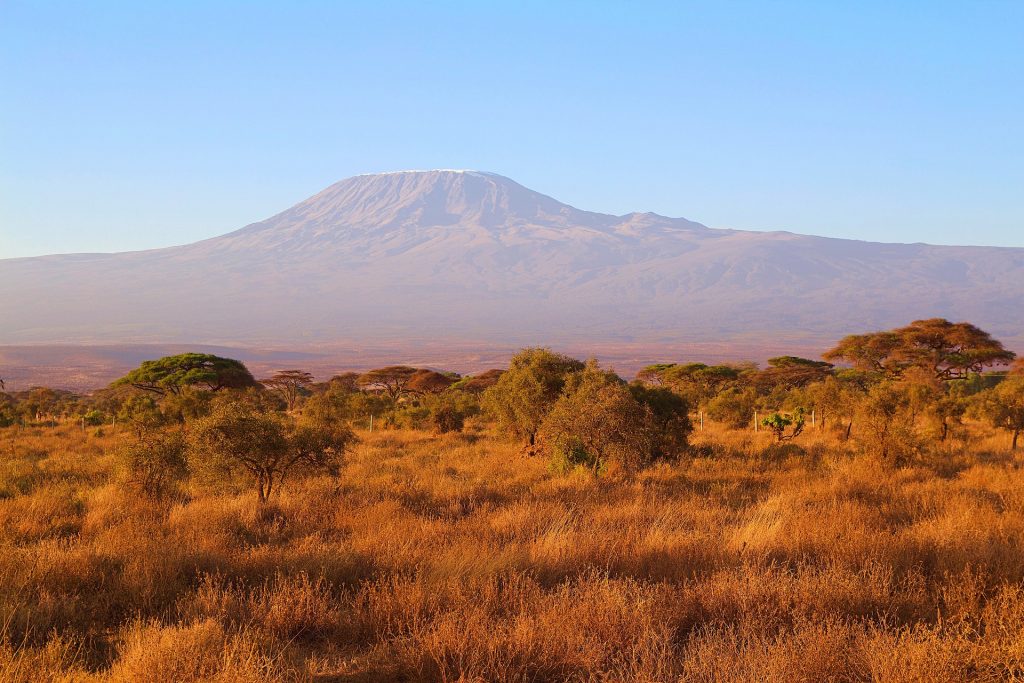
Best Time for Trekking Mount Kilimanjaro

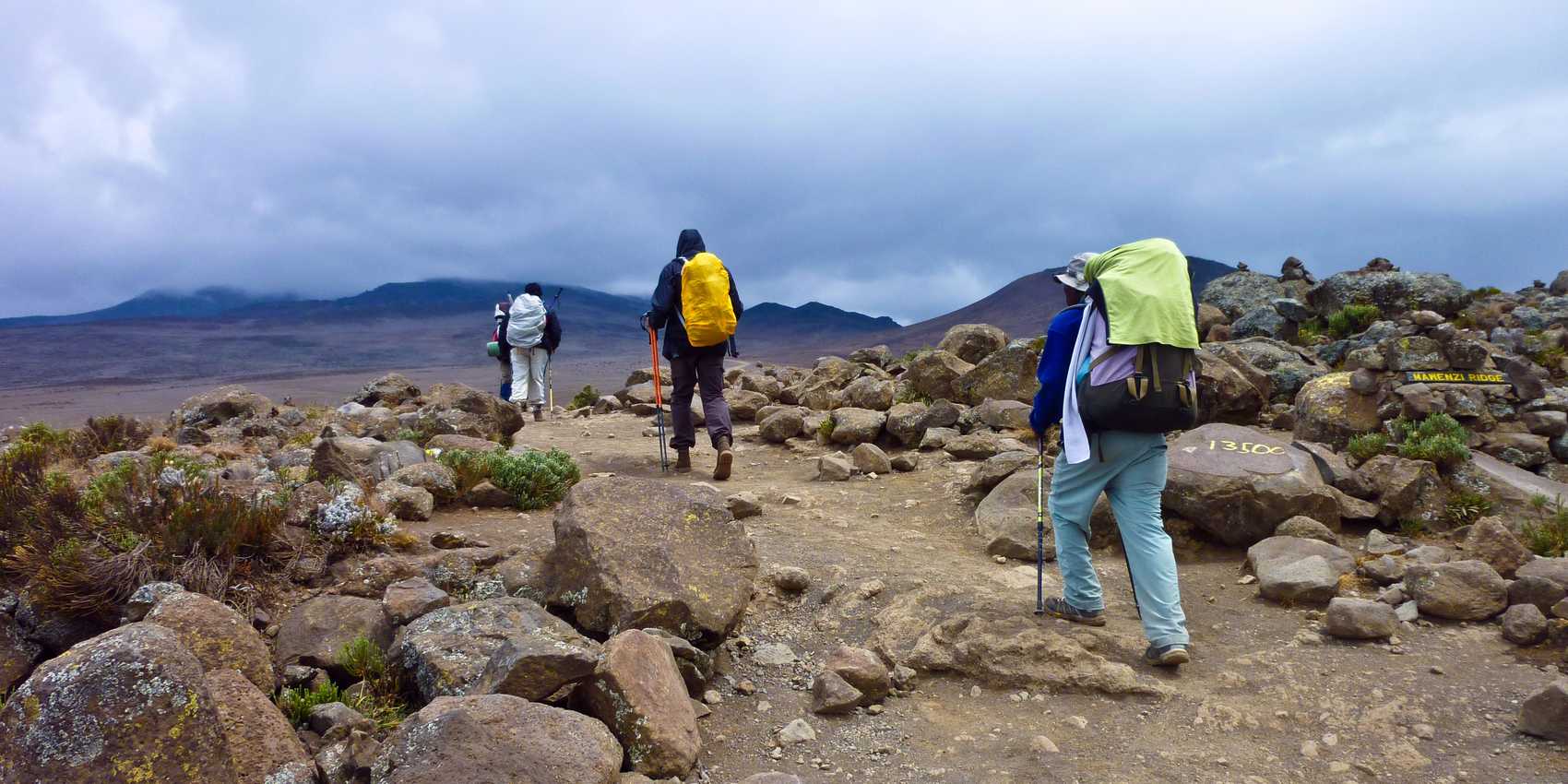
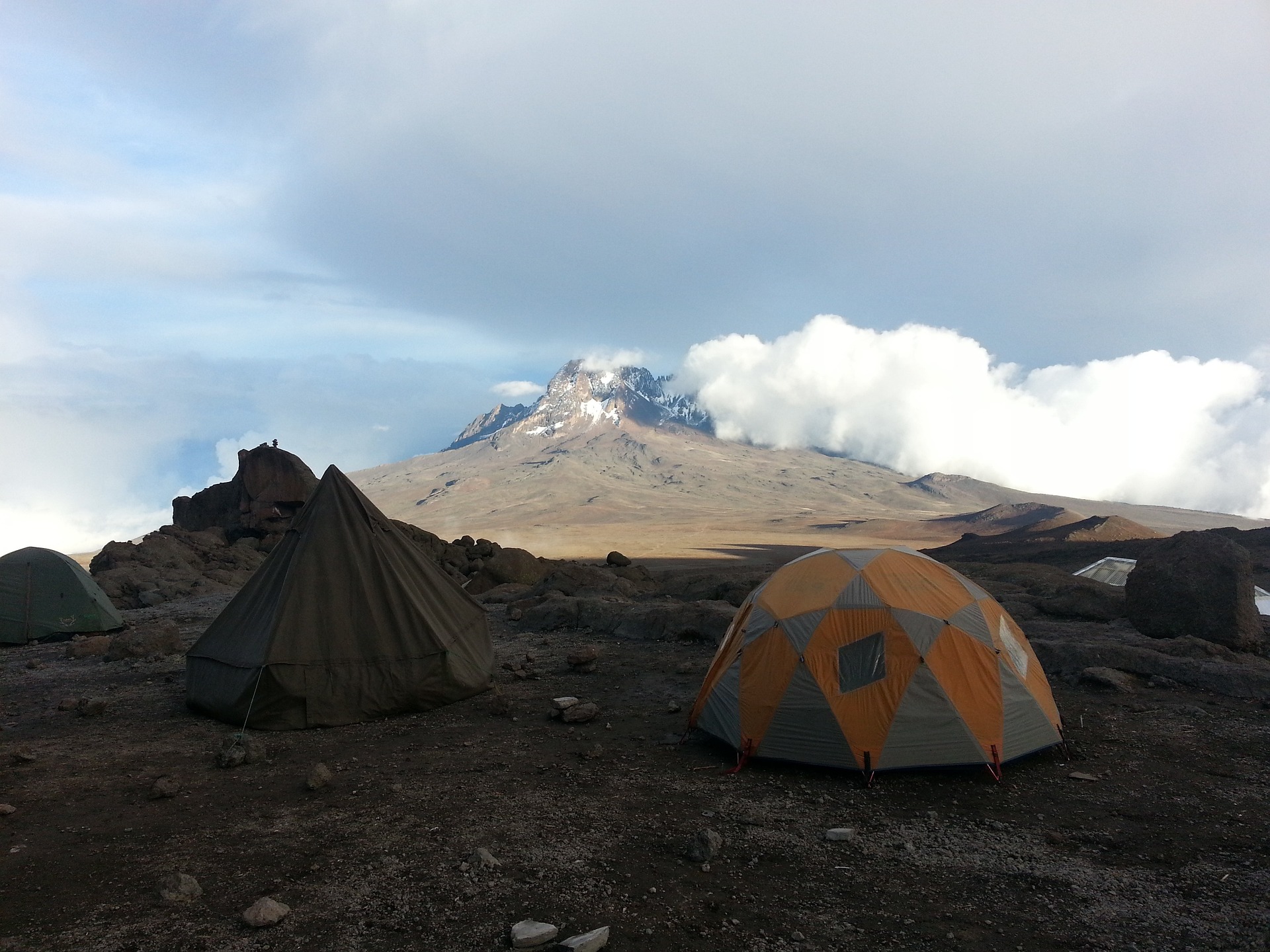
Trekking Mount Kilimanjaro is a once-in-a-lifetime adventure, and choosing the right time to climb can significantly impact your experience. The weather on the mountain can vary dramatically depending on the season, and understanding these variations is crucial to selecting the best time for your trek. At Mwamba Expeditions, we’re here to help you plan the perfect trek. Here’s everything you need to know about the best time to hike Mount Kilimanjaro.

 Best Seasons for Trekking Kilimanjaro

The ideal time to trek Kilimanjaro falls within two main dry seasons:

1.1. January to March – Dry Season

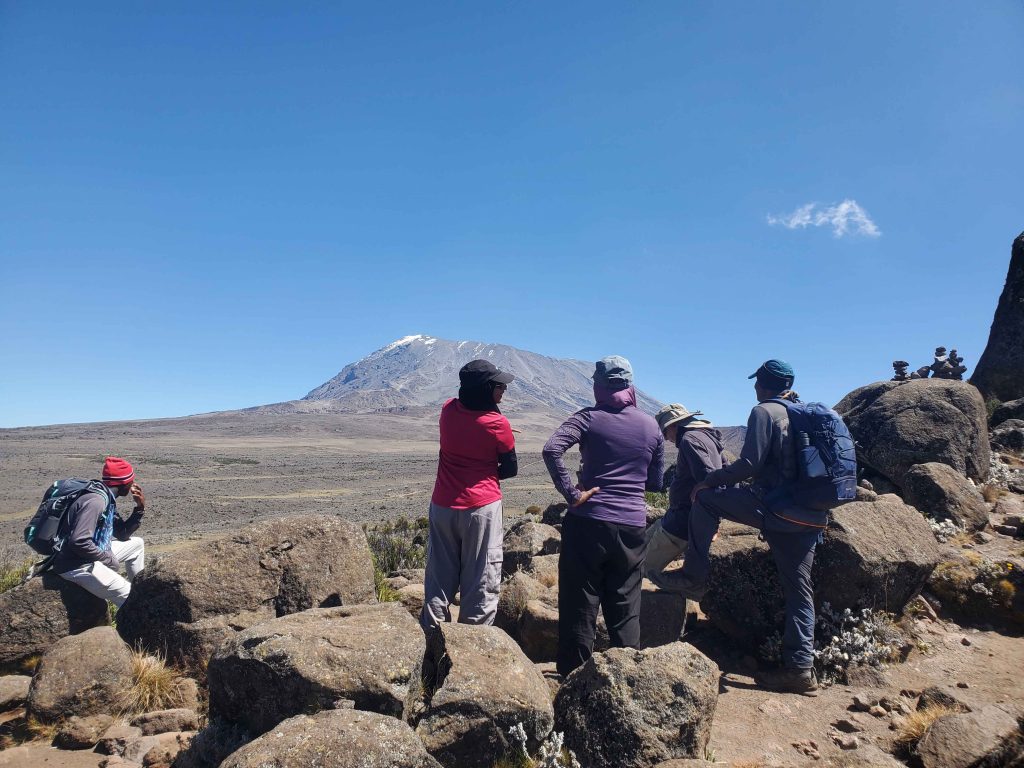
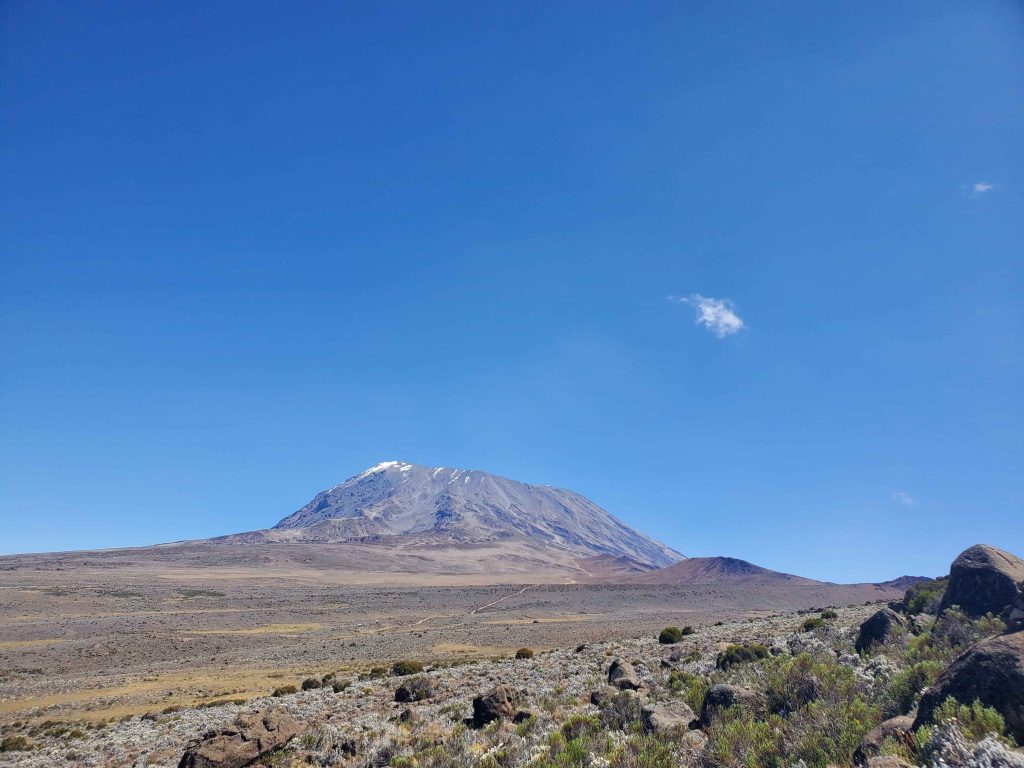
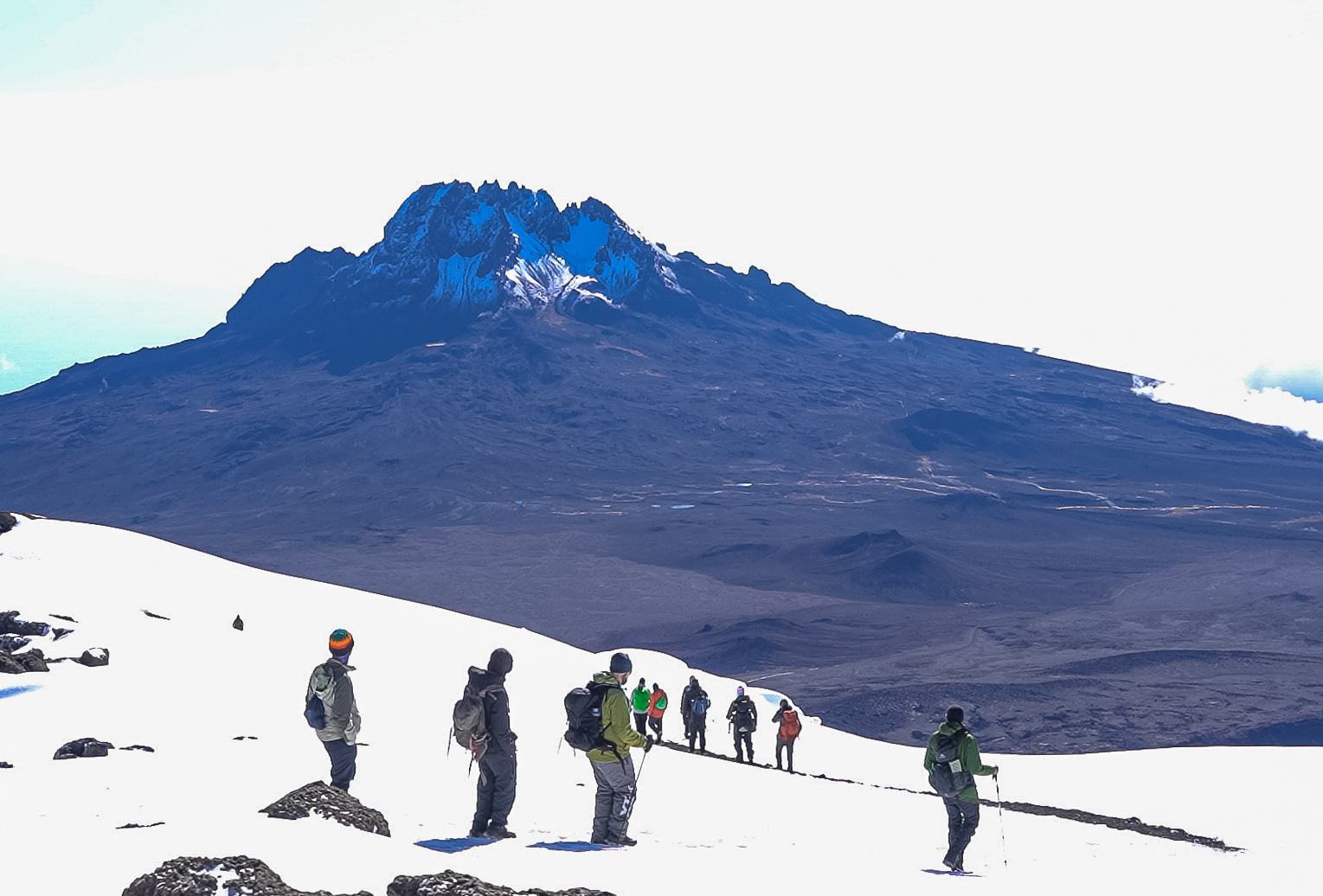
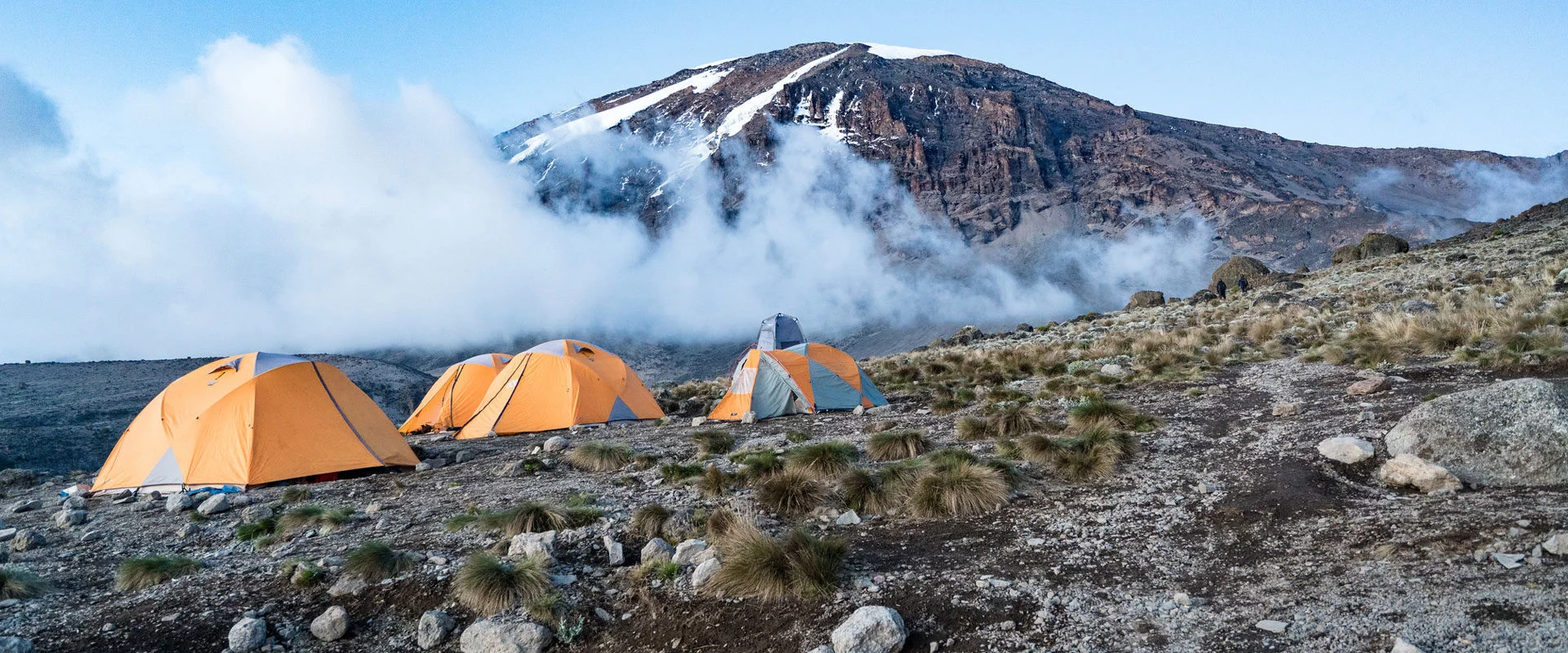
  • Weather: This period offers the best weather conditions for trekking. Expect clear skies, mild temperatures, and dry conditions. This is the perfect time to trek if you prefer pleasant weather and want to enjoy the panoramic views of the surrounding landscapes.

  • Crowds: Since it’s a popular time for trekkers, there will be more people on the mountain. However, it’s a great time for those seeking a more social trekking experience.

1.2. June to October – Dry Season

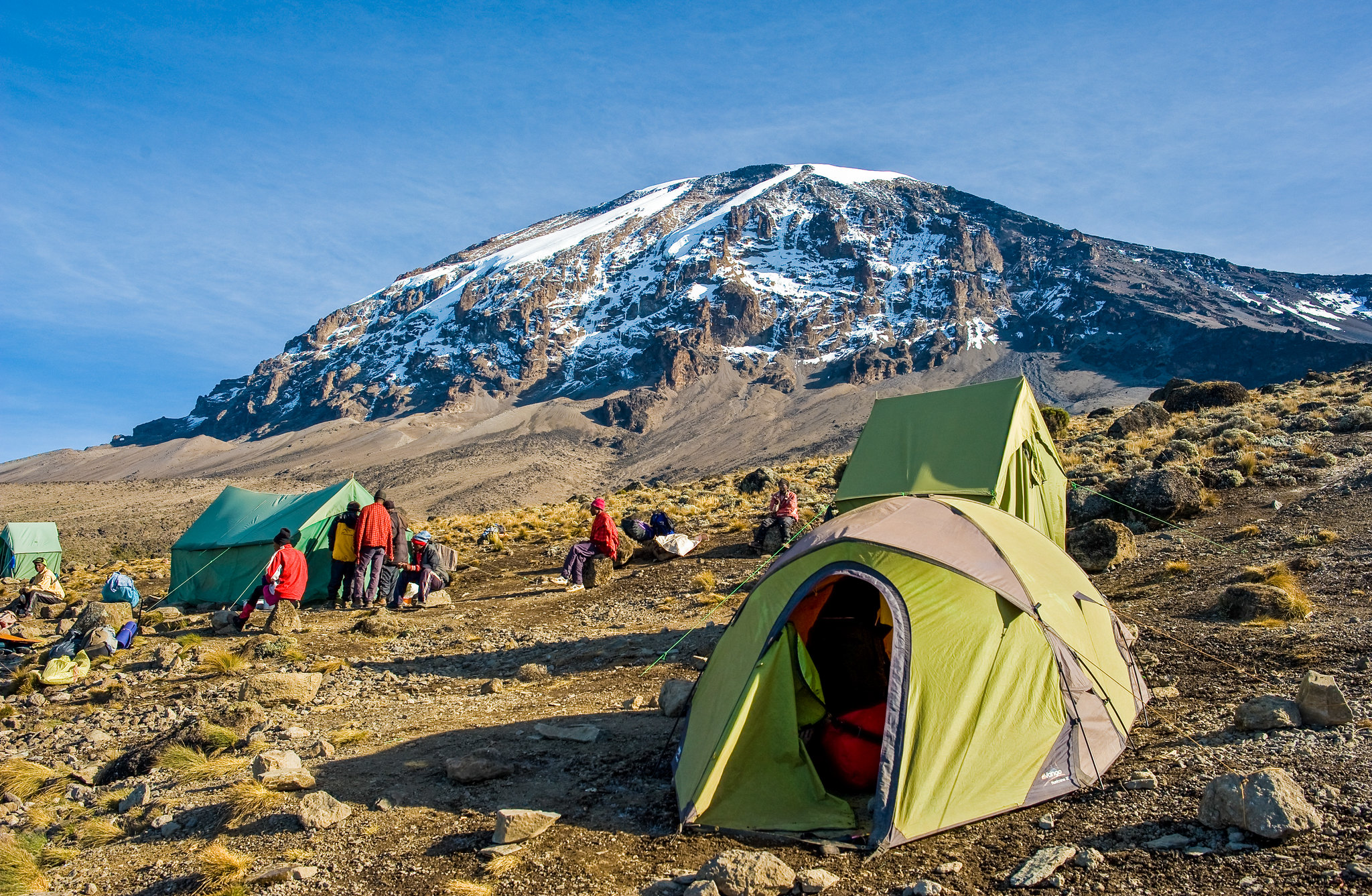
  • Weather: This is another dry season, ideal for trekking. The temperatures are cooler, and the conditions are perfect for summiting the mountain. June to October offers great visibility, and you’ll experience stunning views of the mountain and surrounding landscapes.

  • Crowds: While there are more trekkers compared to the rainy seasons, it’s still a great time to go for a quieter and peaceful trek, especially if you book early to avoid overcrowding.


Off-Peak Seasons for Trekking Kilimanjaro

2.1. April to May – Wet Season

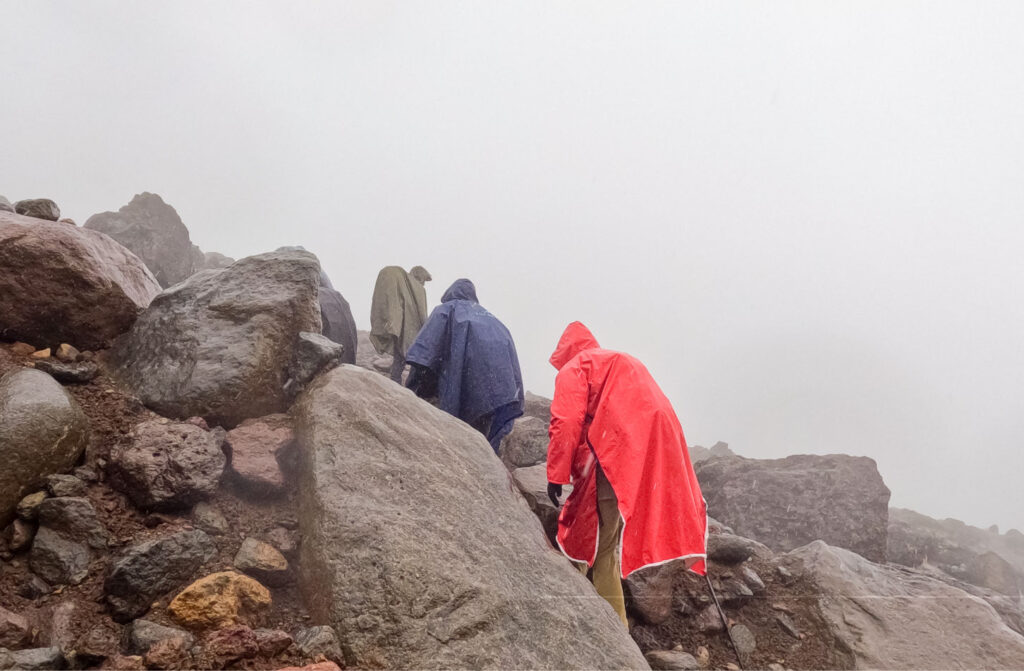
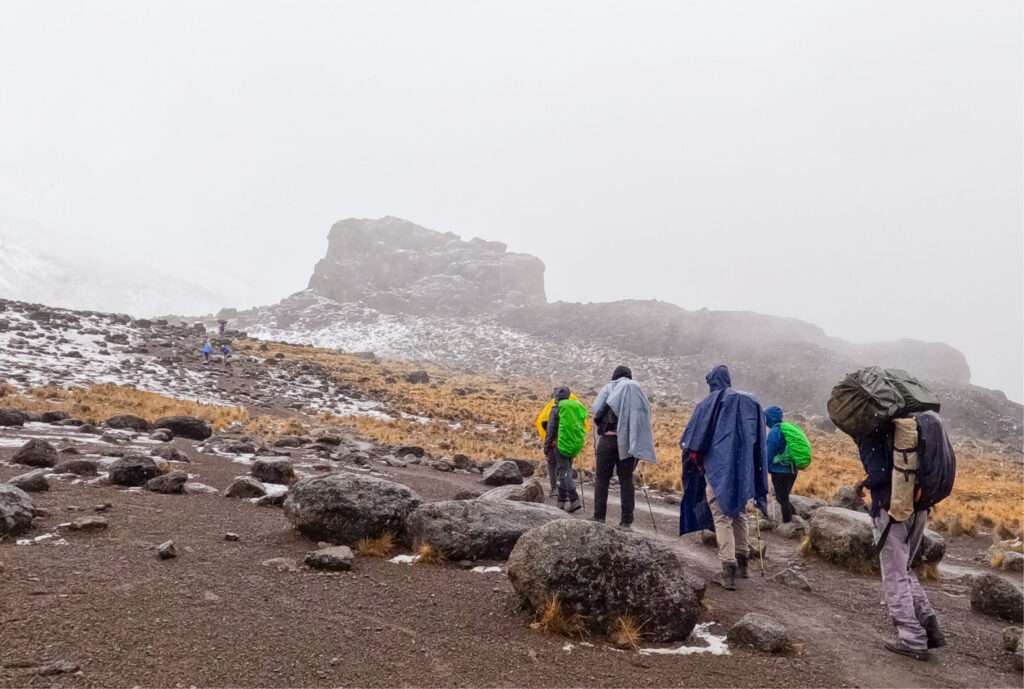
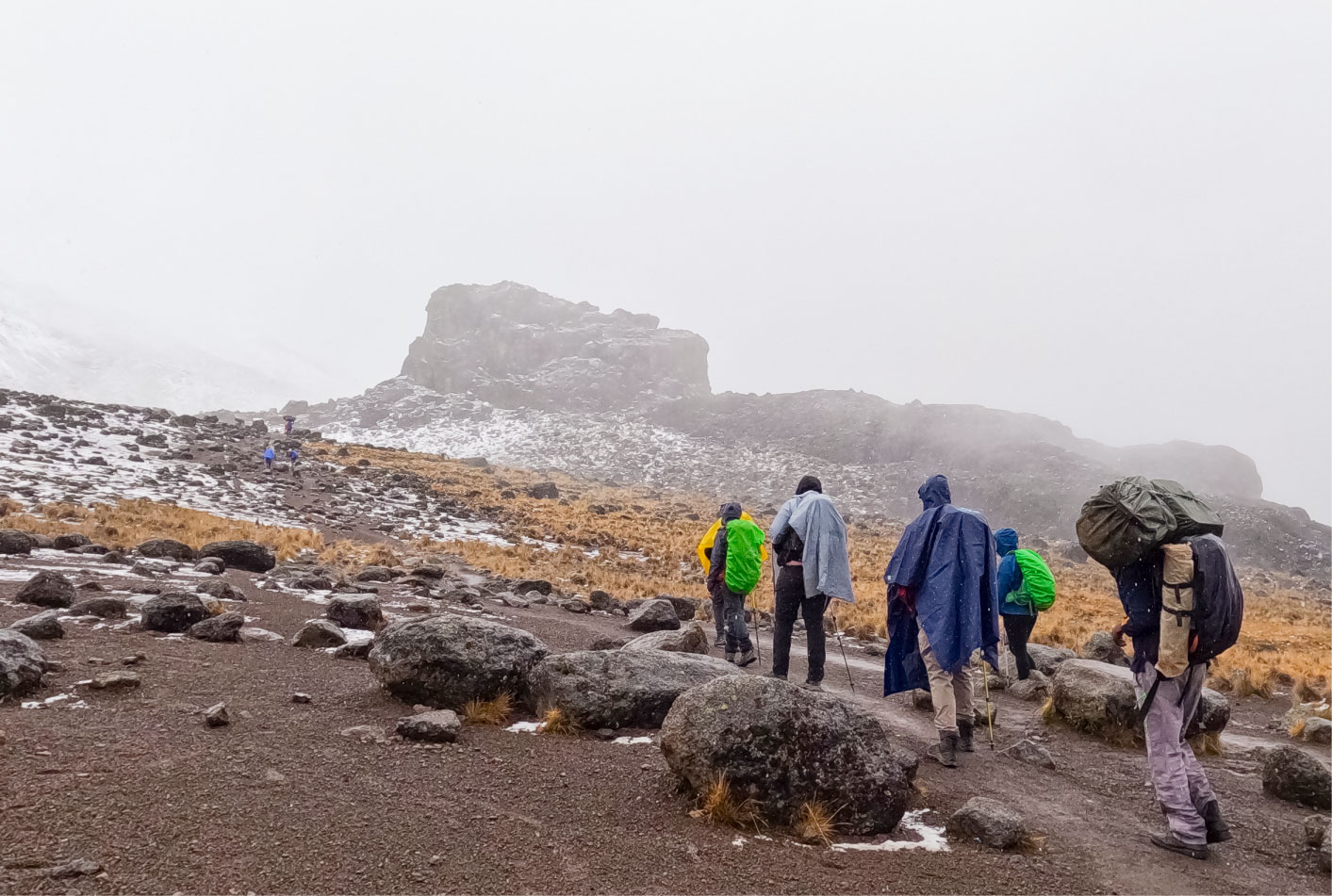
  • Weather: April and May are the wettest months in Tanzania, with heavy rains. Conditions on the mountain can be slippery, muddy, and unpredictable, making this a less favorable time to trek.

  • Crowds: These months see fewer trekkers due to the rains. If you don’t mind the possibility of wet weather and want to avoid the crowds, trekking during the rainy season can offer solitude. However, we generally do not recommend trekking during these months unless you’re fully prepared for tough conditions.

2.2. November to December – Short Rains

  • Weather: The short rains usually start in November and can extend into December. While the rain is less intense than in April and May, there are still chances of wet conditions on the mountain.

  • Crowds: Fewer trekkers are on the mountain during this period, meaning you’ll have more peaceful conditions. If you don’t mind the occasional rain showers, this is a good time to trek, though the trails can be slippery.


What You Need to Know About Kilimanjaro Weather

Mount Kilimanjaro spans five distinct climate zones, and temperatures can range from tropical warmth at the base to freezing cold at the summit. Here’s a breakdown of what you can expect at different altitudes:

  • Base (Moshi): The base of Kilimanjaro is warm and humid, with temperatures averaging 25°C (77°F) during the day.

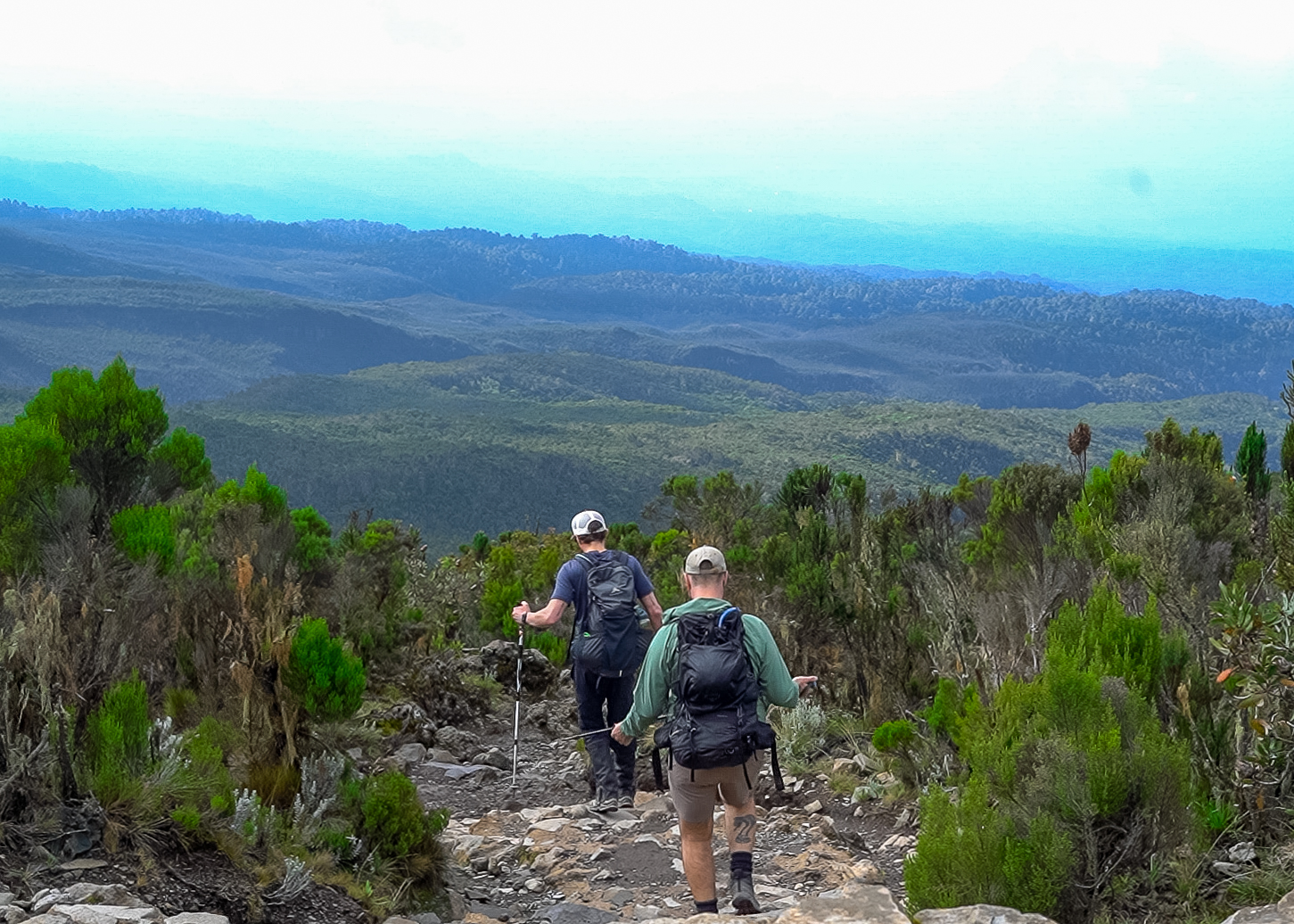
  • Rainforest Zone: As you ascend to around 2,500m, you’ll enter the rainforest zone, where temperatures drop to 20°C (68°F), and it’s possible to experience rainfall.

  • Moorland Zone: Higher up, the moorland zone has cooler temperatures around 10°C (50°F). Expect daytime sunshine, but nights can get chilly.

  • Alpine Desert: In this zone, the temperature can drop to freezing, especially at night. Daytime temperatures hover around 0-10°C (32-50°F), with cold winds.

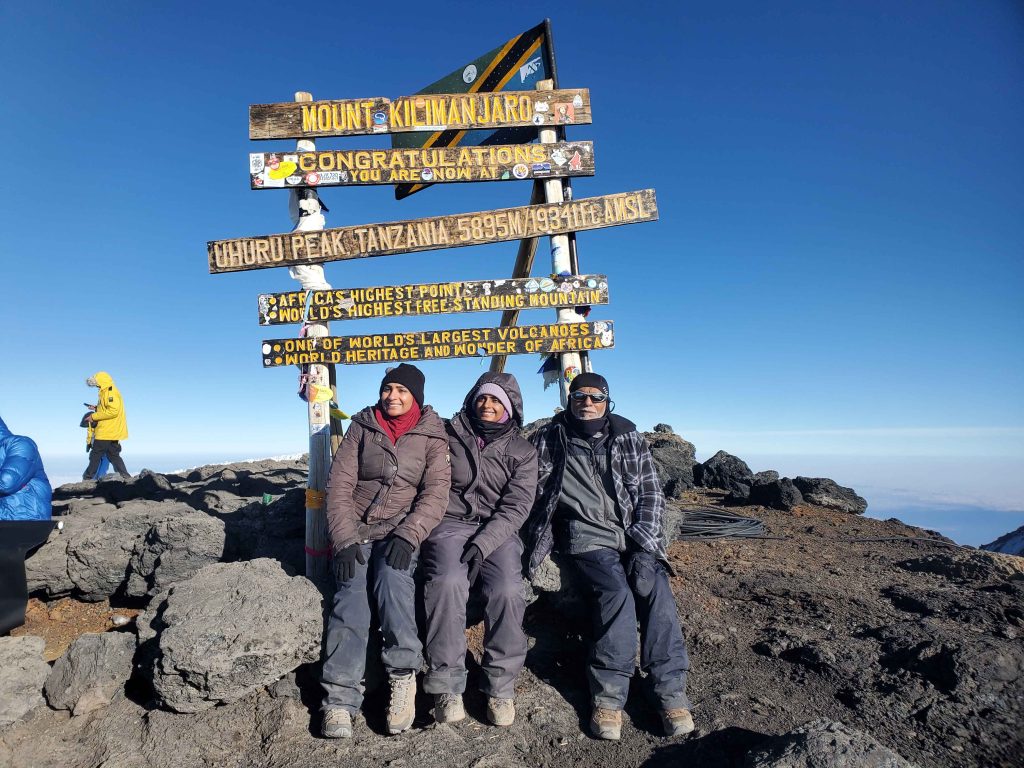
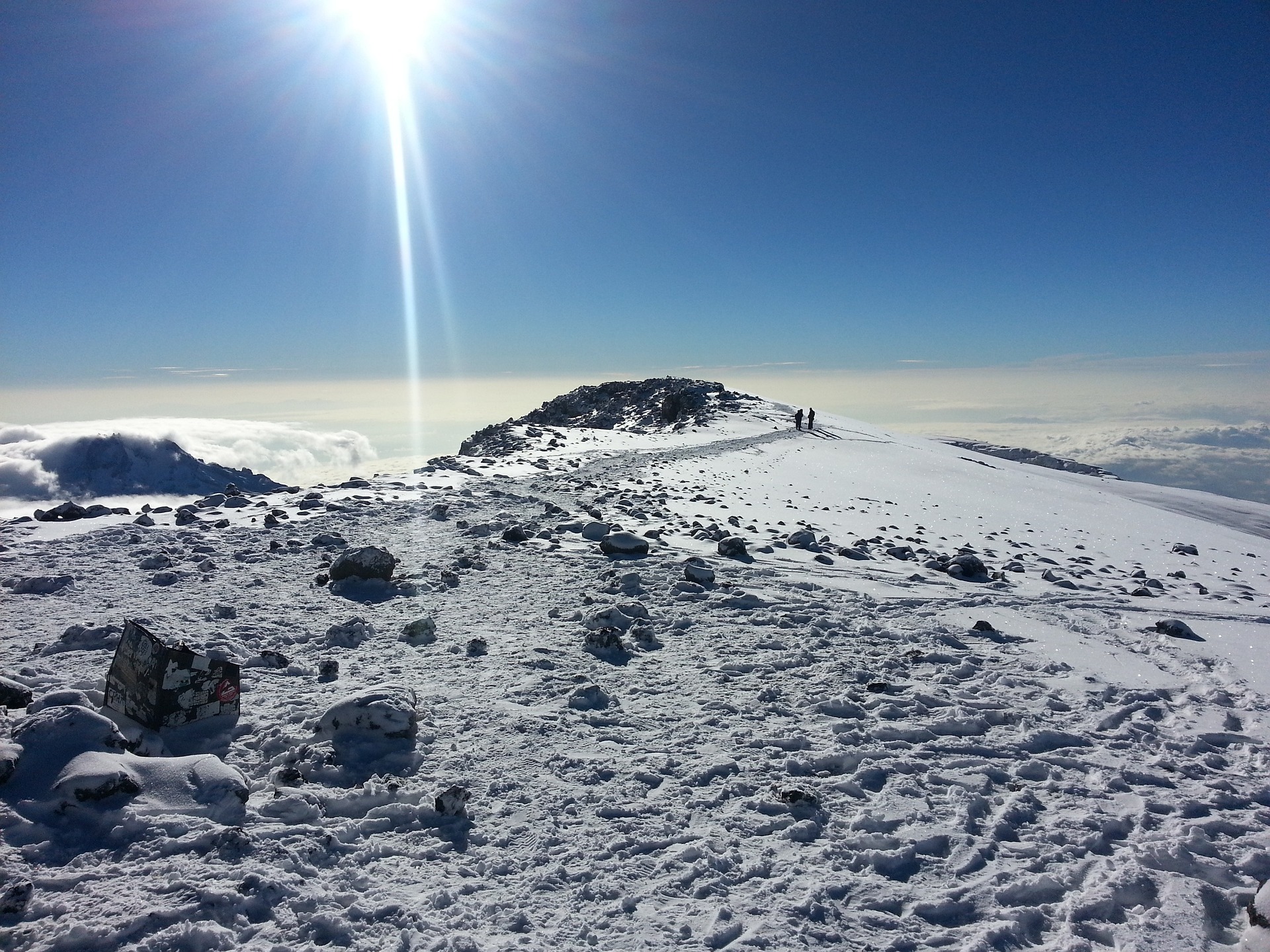
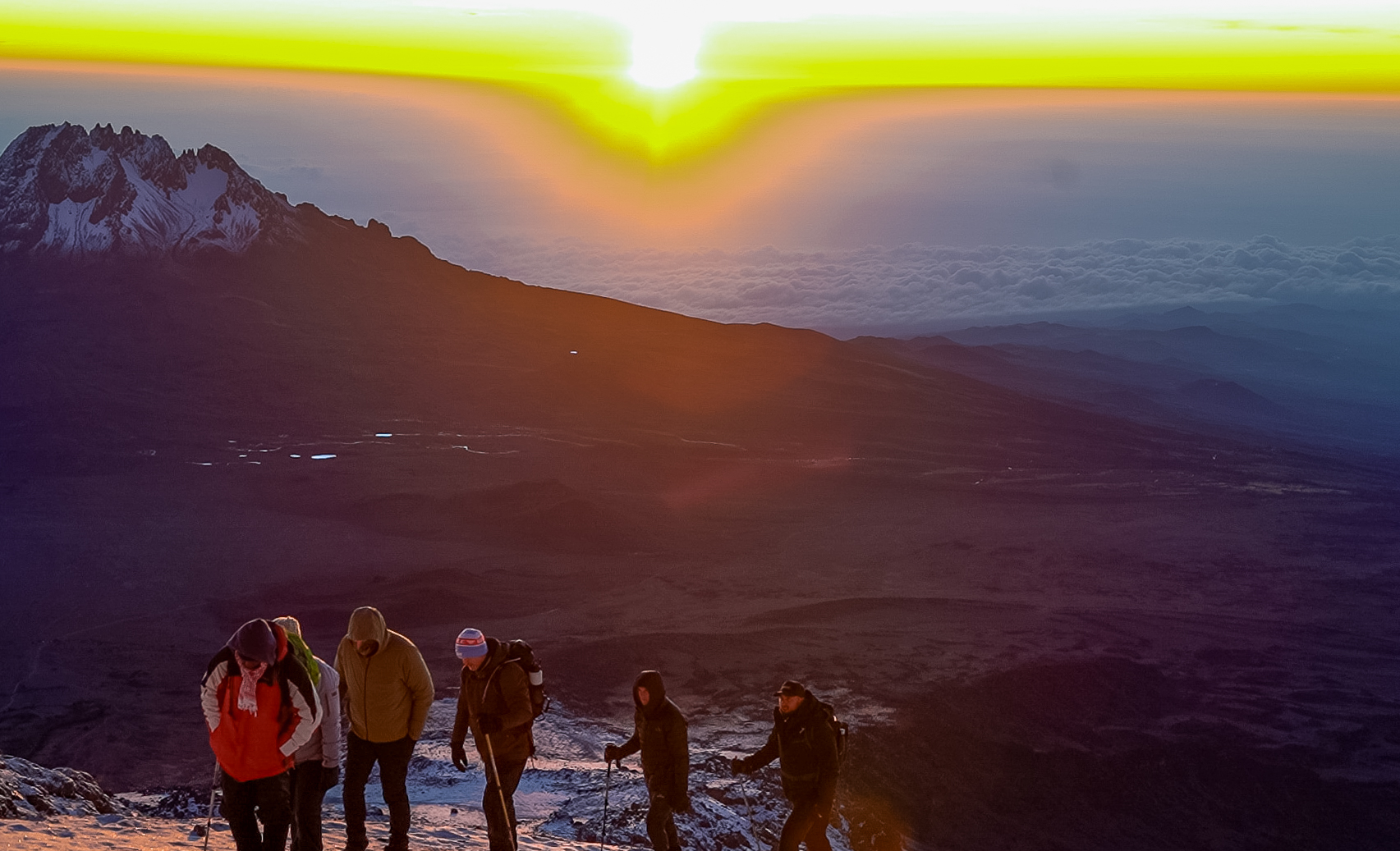
  • Summit (Uhuru Peak): The summit is cold year-round. Expect temperatures as low as -20°C (-4°F), especially if you’re climbing during the rainy season.


Factors to Consider When Choosing Your Trekking Time

  • Personal Preferences: Consider your preferences in terms of weather and the overall trekking experience. If you prefer cooler temperatures and clear skies, trekking in the dry season is ideal.

  • Fitness Levels: A more challenging trek during the rainy season means more technical terrain, while the dry season provides better conditions for walking and clearer paths.

  • Avoiding Crowds: If you want a quieter experience, it’s best to trek during the off-peak months (April-May or November-December). However, be prepared for more unpredictable weather.

 Conclusion: When Should You Trek Kilimanjaro?

The best time to trek Mount Kilimanjaro is generally during the two dry seasons, from January to March or June to October. During these months, you’ll experience the most stable weather, great visibility, and the best conditions for summiting the mountain.

However, if you prefer to avoid crowds and don’t mind a bit of rain, the off-peak months may still offer a rewarding experience, just be sure to prepare for varying weather conditions.


Book Your Trek with Mwamba Expeditions

Ready to trek Mount Kilimanjaro? Mwamba Expeditions is here to help you plan the perfect adventure. Contact us today to find out more about the best time for trekking Kilimanjaro and to secure your spot on our next guided trek.

Considerations:

  • Slightly higher chances of rain or clouds, especially toward the end of the period.
  • Colder nights at higher altitudes.

June to October – The Peak Trekking Season

June to October is the most popular time for trekking in Tanzania. The weather is dry and cool, making it perfect for hiking, especially on Mount Kilimanjaro and Mount Meru. The skies are typically clear, offering spectacular views of the landscape and surrounding peaks. This is the ideal time for a successful summit attempt with fewer risks of weather disruptions.

Advantages:

  • Ideal trekking conditions with dry, clear weather.
  • Beautiful, unobstructed views.
  • More group trekking opportunities and better availability of services.

Considerations:

  • High season, meaning more trekkers on the trails.
  • Higher demand for accommodations and tours—early booking recommended.

November to Mid-December – Short Rains, Off-Peak Adventure

The short rainy season from November to mid-December is a lesser-known but still viable time for trekking. While there might be short bursts of rain, these are usually followed by clear skies. This season is perfect for those who prefer solitude on the trails without the crowds, and the rain typically doesn’t significantly affect trekking conditions.

Advantages:

  • Quiet trails and fewer tourists.
  • Green scenery after rains, creating a fresh, vibrant environment.

Considerations:

  • Occasional showers and cloudier skies.
  • Muddy trails in certain areas.

April to May – The Long Rain Season (Avoid for Trekking)

The long rainy season in April and May is not recommended for trekking. Heavy rains make trails slippery and challenging, with reduced visibility and higher risks of delays or disruptions. It’s best to avoid trekking during this time unless you’re well-prepared for wet and muddy conditions.

Choosing the right time to trek ensures that you enjoy every step of your adventure, whether it’s reaching the summit of Mount Kilimanjaro or exploring the unique landscapes of Mount Meru.

Trekking Packages

Our Customer's Reviews ✰ ✰ ✰ ✰ ✰