Close
Close

Kilimanjaro Complete Packing Guide

Essential Gear for Your Trek

Embarking on the adventure of climbing Mount Kilimanjaro requires careful preparation, and one of the most important steps is packing the right gear. To ensure a safe and enjoyable experience, we’ve compiled a comprehensive packing list. From essential clothing and footwear to specialized gear, this list covers everything you’ll need for your Kilimanjaro trek.

Clothing

Base Layers

  • Moisture-Wicking Shirts: Quick-dry shirts (preferably long-sleeve) to keep sweat away from your skin.

  • Thermal Underwear: Lightweight, moisture-wicking thermal layers for warmth.

Mid-Layers

  • Insulating Fleece or Jacket: To provide warmth during cold stretches.

  • Pants: Lightweight, breathable, and quick-drying hiking pants.

  • Trekking Shorts: For daytime comfort.

Outer Layers

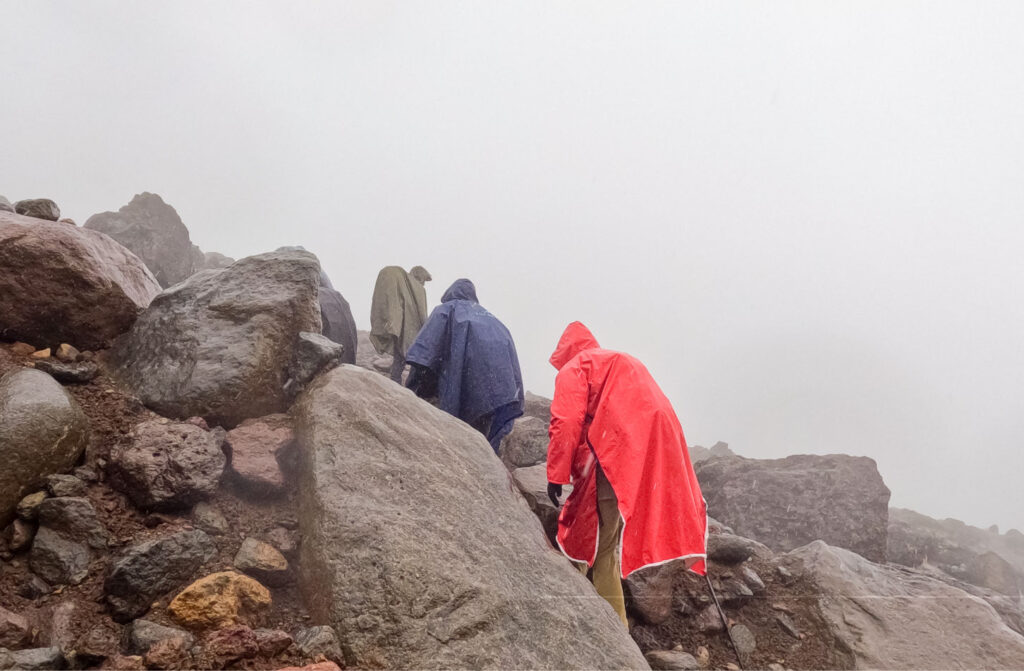
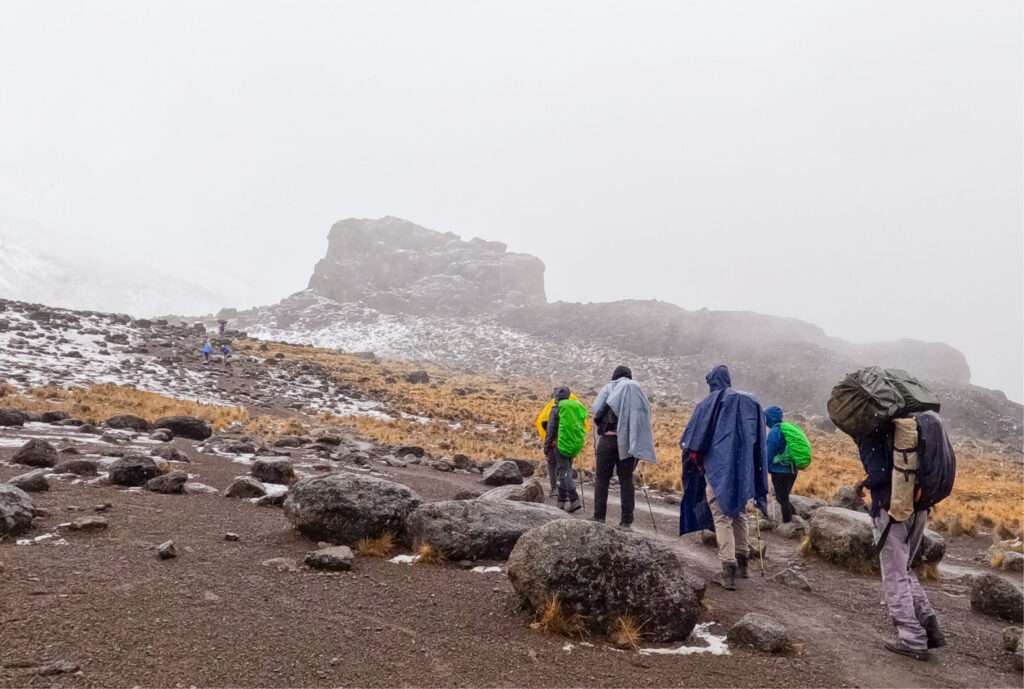
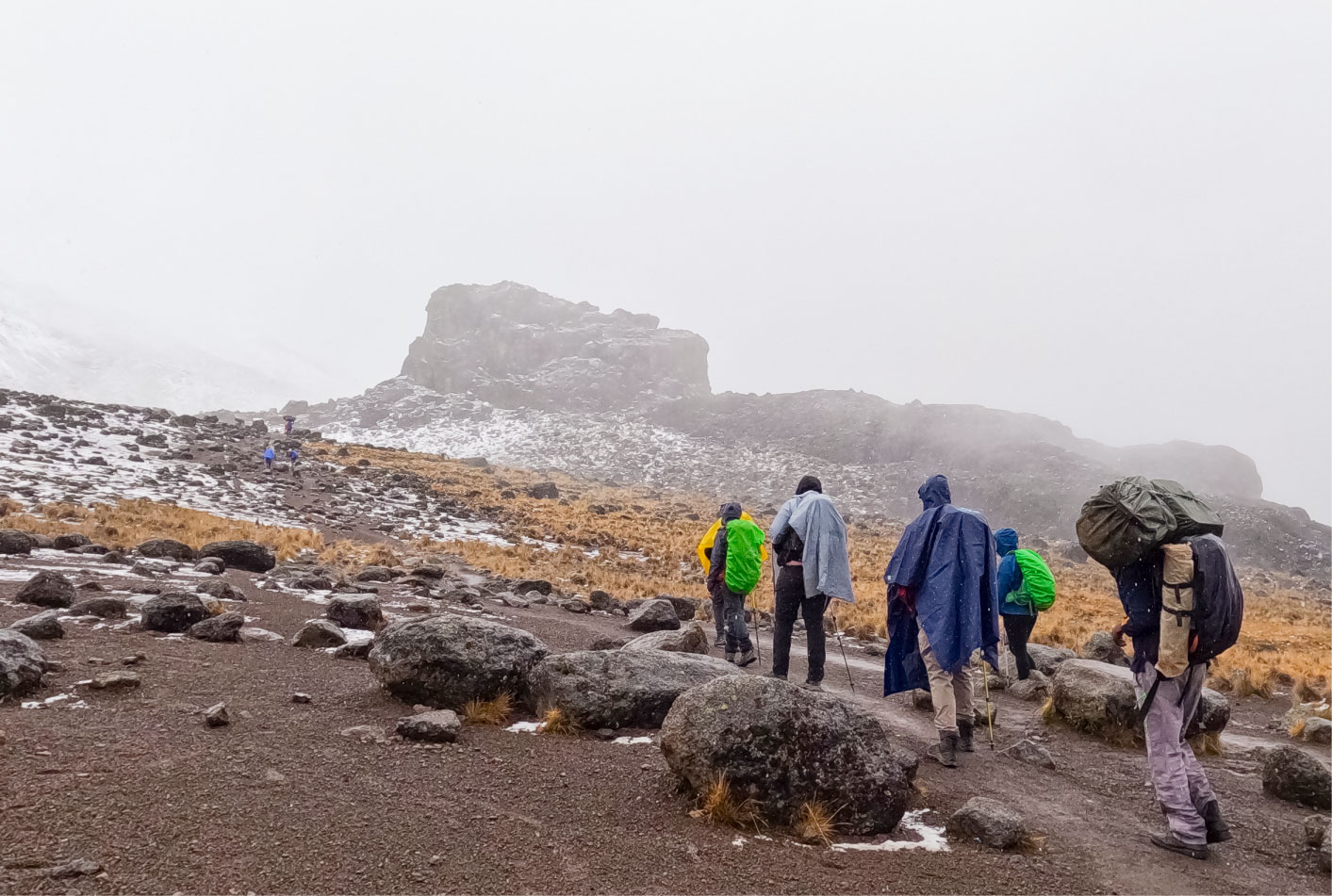
  • Waterproof Jacket and Pants: Rain is common at higher altitudes, so waterproof gear is essential.

  • Windbreaker: Helps protect against mountain winds.

Headgear

  • Warm Hat/Beanie: For cold nights and higher altitudes.

  • Sun Hat/Cap: To protect your face and neck from the sun at lower altitudes.

  • Balaclava or Buff: Useful for protecting your face in colder conditions.

Gloves

  • Cold-Weather Gloves: Insulated gloves to protect your hands from freezing temperatures.

  • Lightweight Gloves: For general trekking and warmer conditions.

Footwear

  • Trekking Boots: Waterproof, ankle-supporting boots with good tread.

  • Camp Shoes: Lightweight sandals or shoes for resting at camp.

  • Warm Socks: Wool or synthetic socks (at least 4-5 pairs).

  • Liner Socks: To prevent blisters and add comfort.

Sleeping Gear

  • Sleeping Bag: Rated for -10°C or lower (depending on the season).

  • Sleeping Pad: Insulated mat for comfort and warmth during cold nights.

  • Pillow: Compact travel pillow for added comfort.

Climbing Gear & Accessories

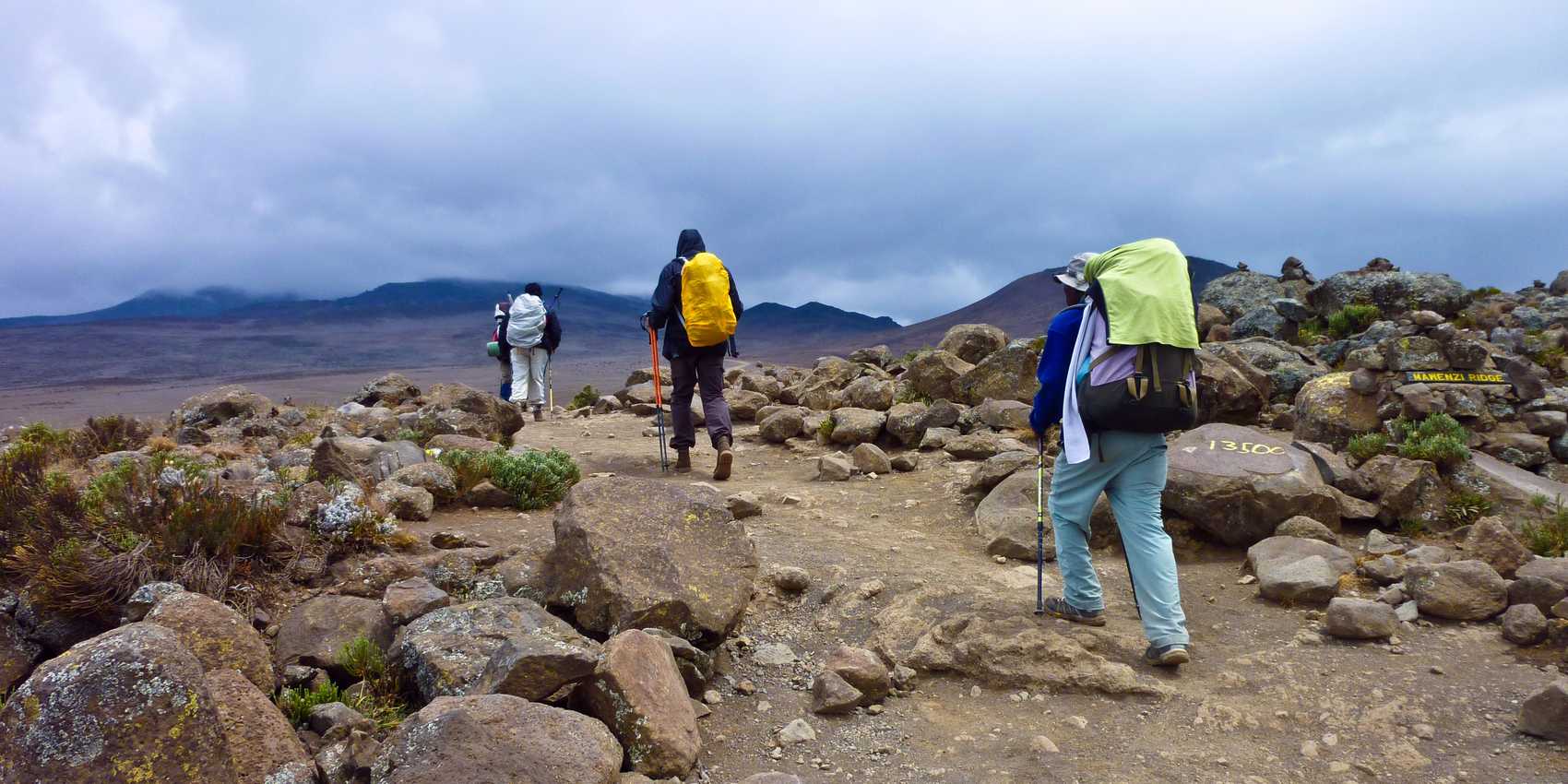
  • Trekking Poles: Adjustable poles for added stability and support.

  • Day Pack: A small daypack to carry essentials like water, snacks, and a camera.

  • Water Bottle or Hydration System: 3+ liters of water capacity to stay hydrated.

  • Headlamp/Flashlight: With extra batteries for night-time visibility.

  • Sunglasses: High-quality UV protection sunglasses to protect your eyes from the sun.

  • Gaiters: To prevent debris from entering your boots, especially on dirt or rocky paths.

Personal Items

  • Sun Protection: High SPF sunscreen and lip balm to protect from sunburn.

  • Toiletries: Biodegradable soap, toothpaste, and a toothbrush.

  • Towel: A quick-dry towel.

  • Wet Wipes/Hand Sanitizer: For cleaning when water is scarce.

  • Camera: To capture the stunning views (and extra memory cards).

  • Personal Identification: Passport, visa (if required), and permits.

  • Cash: Small amounts of Tanzanian Shillings for tips or personal purchases.

Health & First Aid

  • First Aid Kit: Include blister plasters, painkillers, and any necessary prescription medications.

  • Altitude Medication (Diamox): Consult with your doctor before the trek to see if this is right for you.

  • Diarrhea Medication & Antibiotics: Always carry something for digestive issues.

  • Personal Medications: Ensure you have enough for the entire trip.

Snacks & Energy

  • Energy Bars and Snacks: High-calorie, easy-to-carry snacks like granola bars, nuts, and dried fruit.

  • Electrolyte Tablets: To help with hydration and prevent cramping.

Optional Gear

  • Camera/GoPro: Capture the amazing views from your trek.

  • Binoculars: For bird watching or distant views.

  • Notebook/Journal: For documenting your journey.

  • Plastic Bags: To pack out waste or keep items dry.


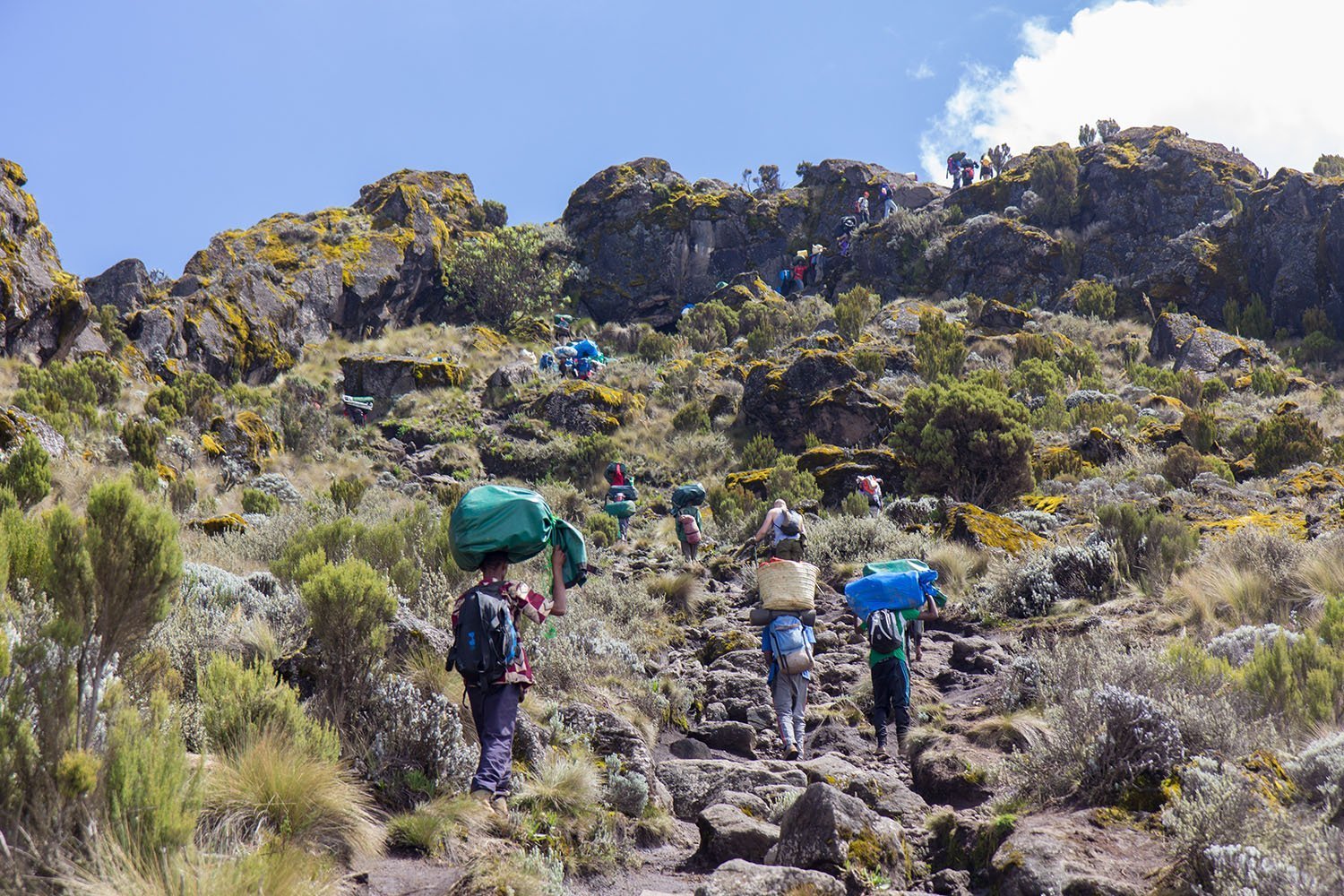
  • Keep It Lightweight: While you’ll need to pack a variety of items, make sure not to overpack. Porters carry your gear, but limiting weight will help make the trek more enjoyable.

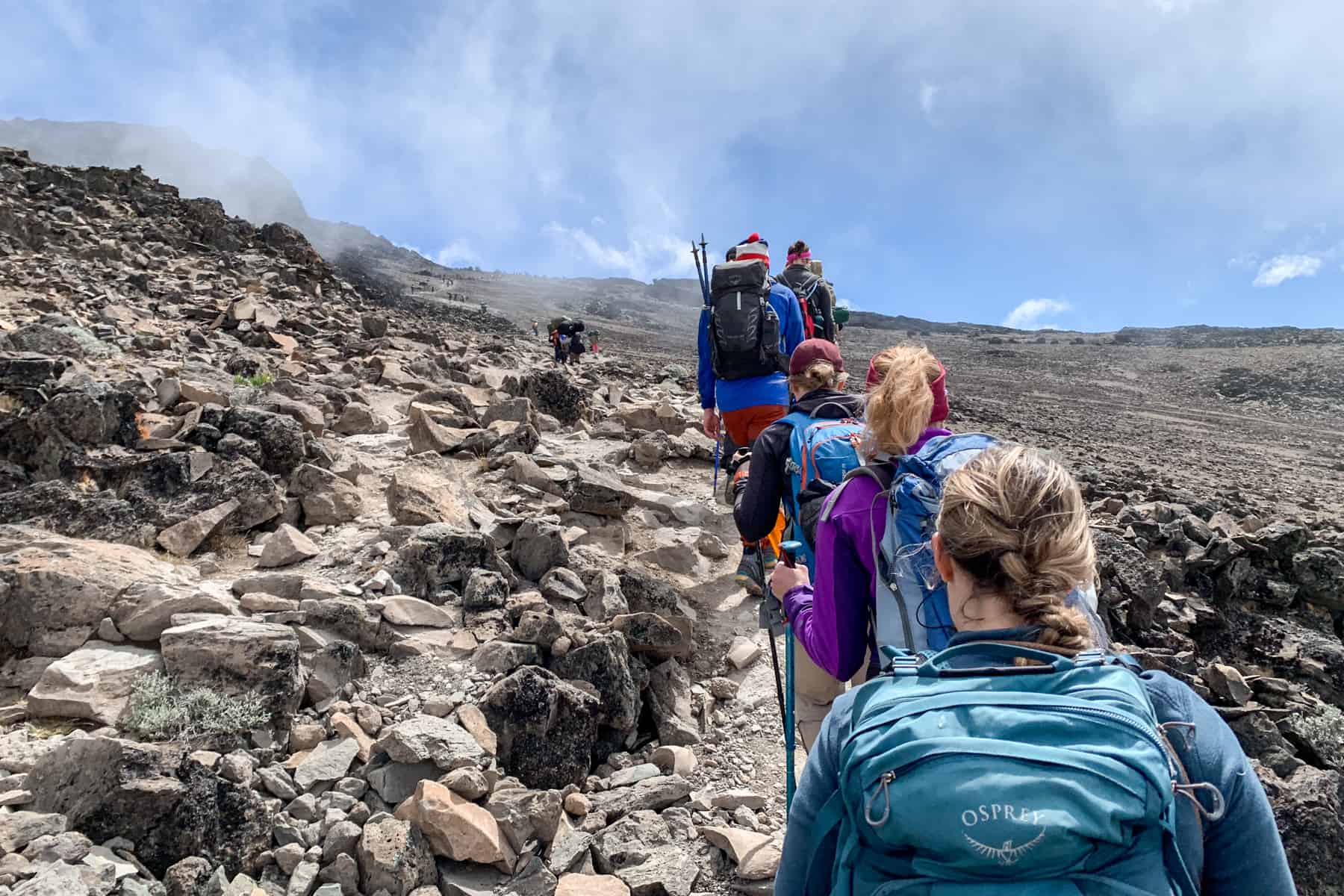
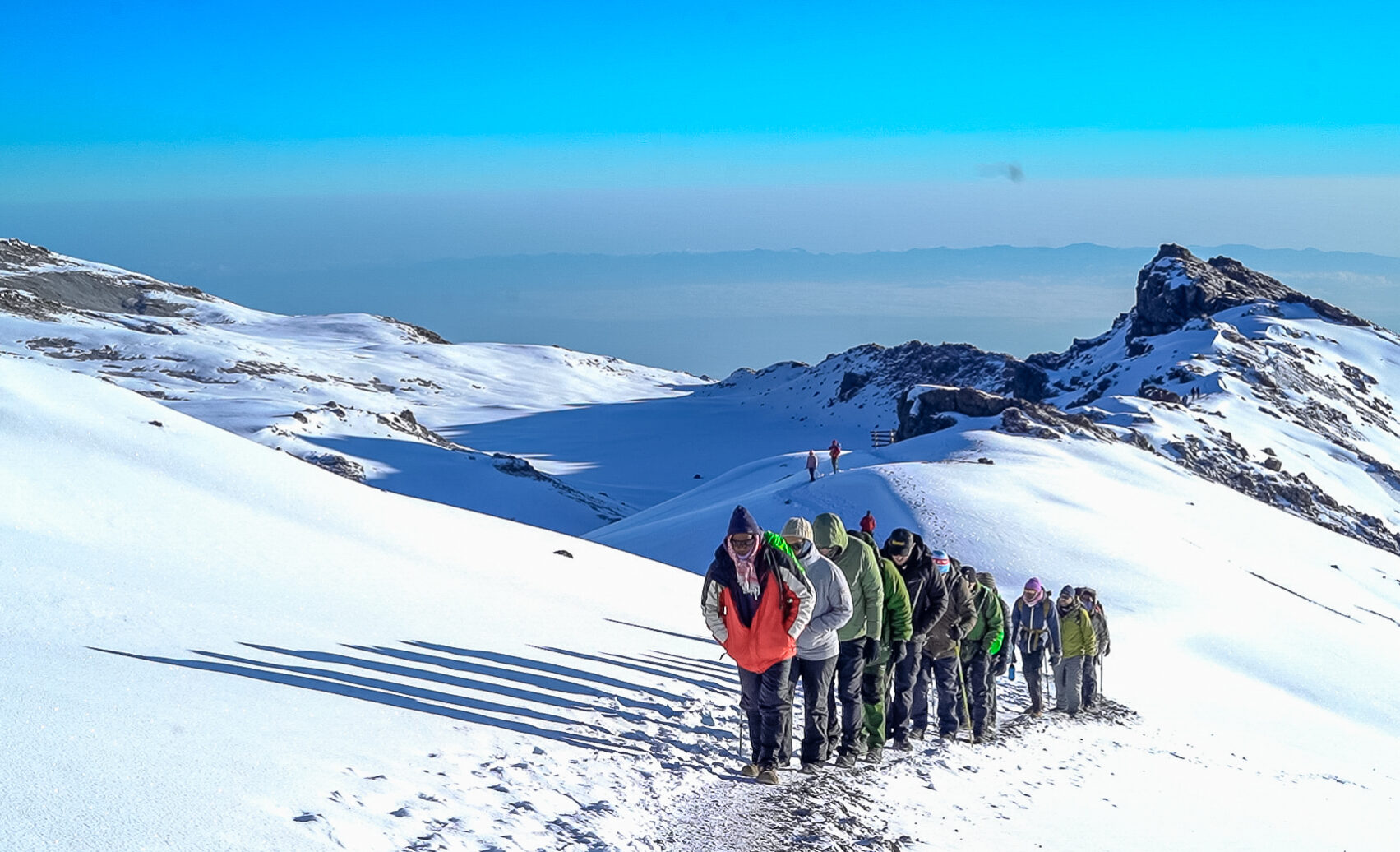
  • Layering is Key: The weather on Kilimanjaro can change rapidly, and temperatures can fluctuate widely between the base and summit. Layering your clothes will help you stay comfortable.

  • Ensure Proper Fit: Properly fitting shoes and boots are essential to avoid blisters and discomfort during the trek.


By following this packing list, you’ll ensure that you’re well-prepared for all that Mount Kilimanjaro has to offer. Be sure to check with your tour operator for any specific requirements and consider renting any gear you don’t already own. Happy trekking!

Sample Trekking Routes

Our Customer's Reviews ✰ ✰ ✰ ✰ ✰