Close
Close

Kilimanjaro Summit Success Rate

Summit Success Rate for Mount Kilimanjaro

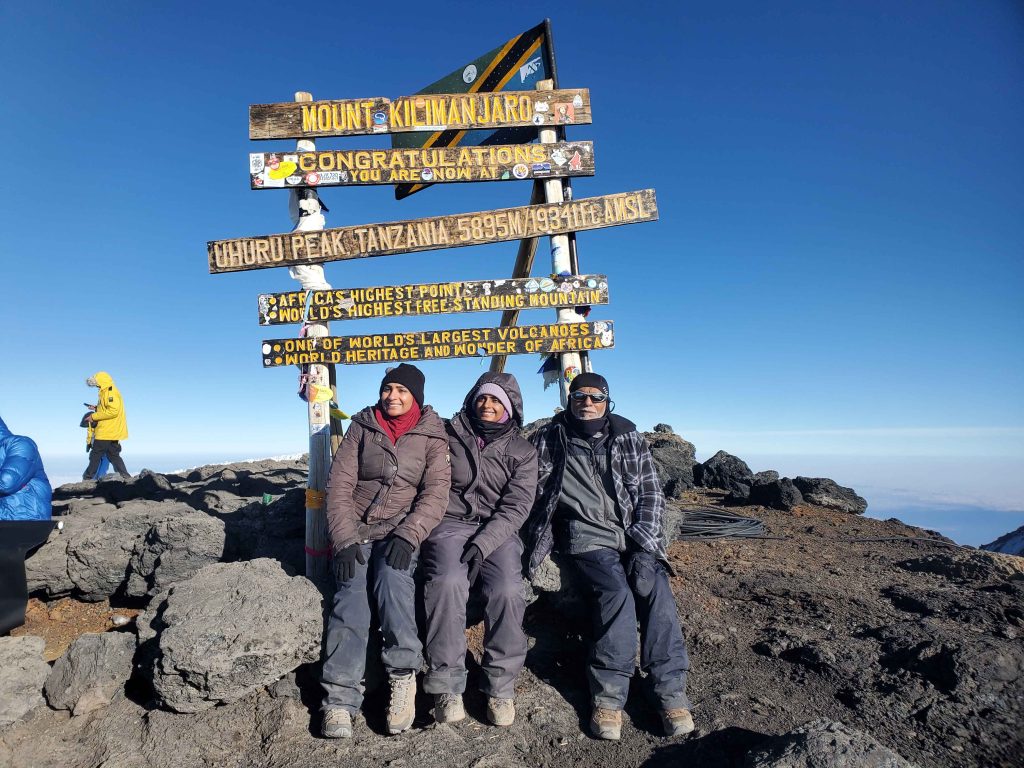
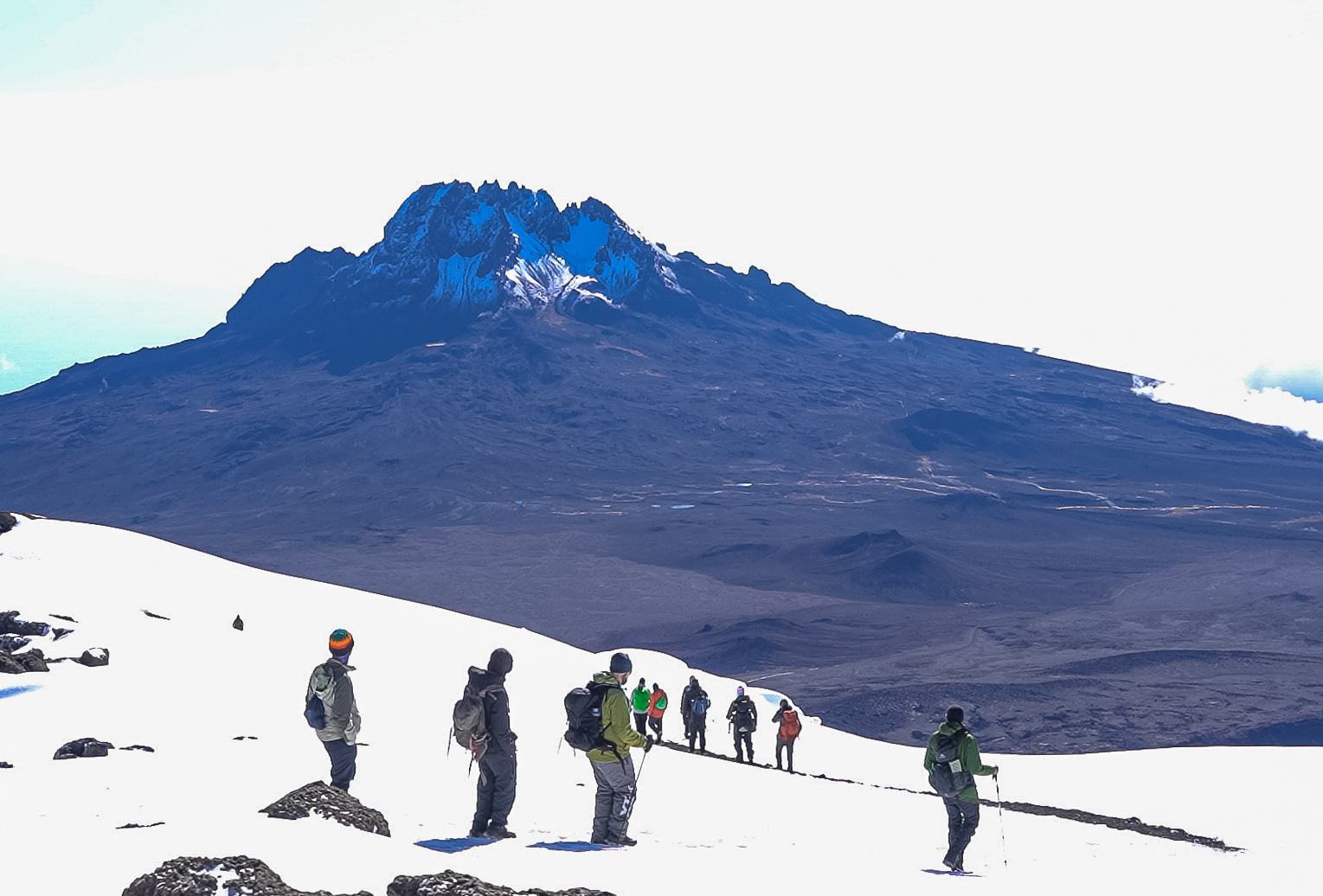
Climbing Mount Kilimanjaro is a life-changing experience, but it requires careful planning, preparation, and determination. One of the most important factors to consider when planning your trek is the summit success rate—the likelihood of reaching the top of Mount Kilimanjaro, Uhuru Peak, at 5,895 meters (19,341 feet). At Mwamba Expeditions, we aim to help you achieve your dream of summiting Kilimanjaro. Here’s everything you need to know about summit success rates and how you can increase your chances of reaching the top.

What Affects Summit Success Rate?

The summit success rate for Kilimanjaro varies depending on a number of factors:

Route Selection

  • Different routes on Kilimanjaro offer different challenges. Routes like Machame and Lemosho have higher success rates due to their longer durations and gradual ascents, allowing for better acclimatization. On the other hand, shorter routes like Marangu or Rongai may have lower success rates because they ascend more rapidly, which can increase the risk of altitude sickness.

Acclimatization

  • Proper acclimatization is key to a successful summit. Routes that allow more time for acclimatization (like Lemosho and Northern Circuit) give trekkers better chances of summiting successfully. It’s essential to take it slow, drink plenty of fluids, and listen to your body to reduce the risk of altitude sickness.

Fitness Level

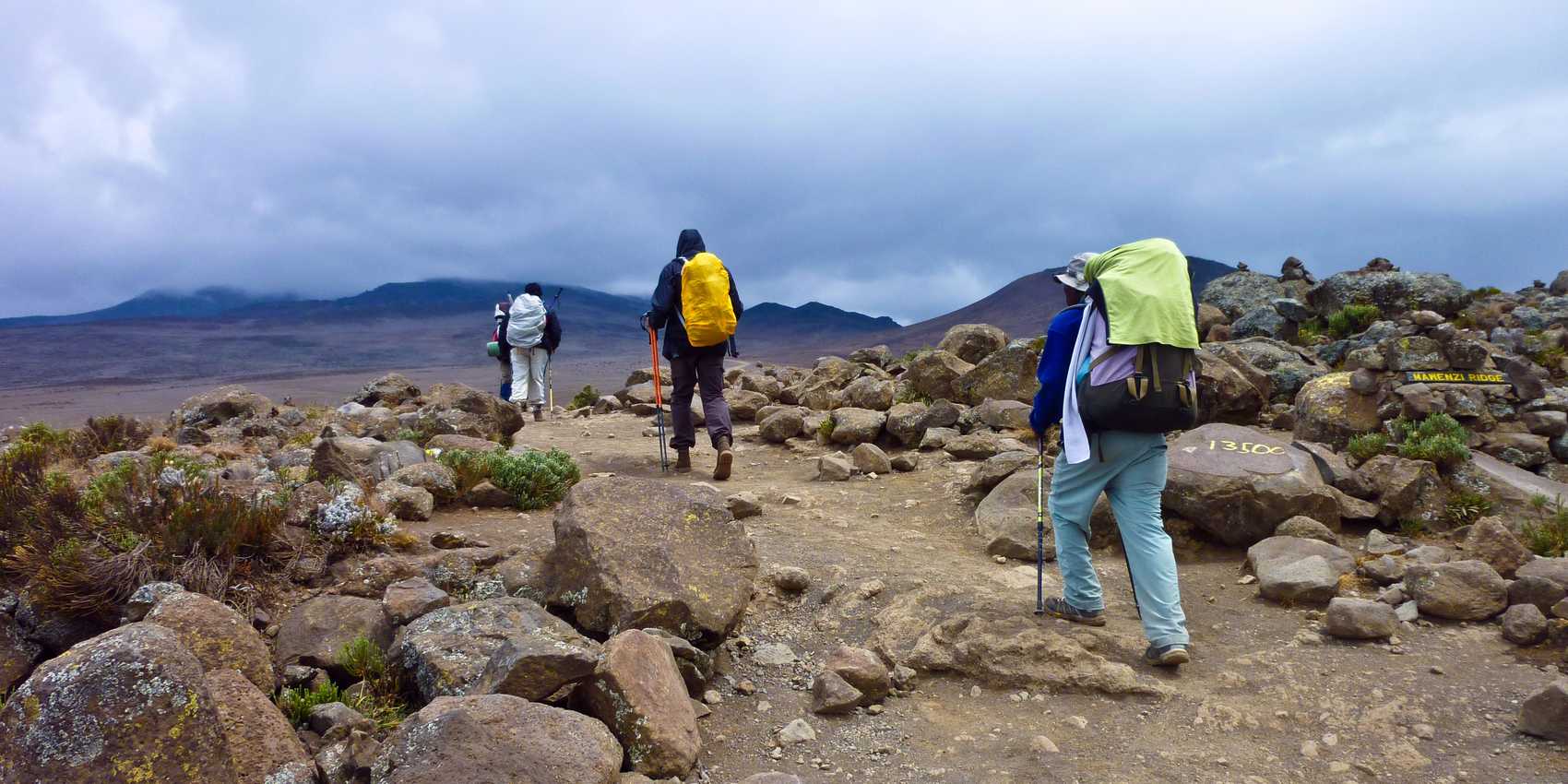
  • While climbing Mount Kilimanjaro is not technically difficult, it is physically demanding. Trekking for several days at high altitudes can strain even the fittest individuals. Regular physical training, including cardio, strength, and endurance exercises, will prepare your body for the trek.

Weather Conditions

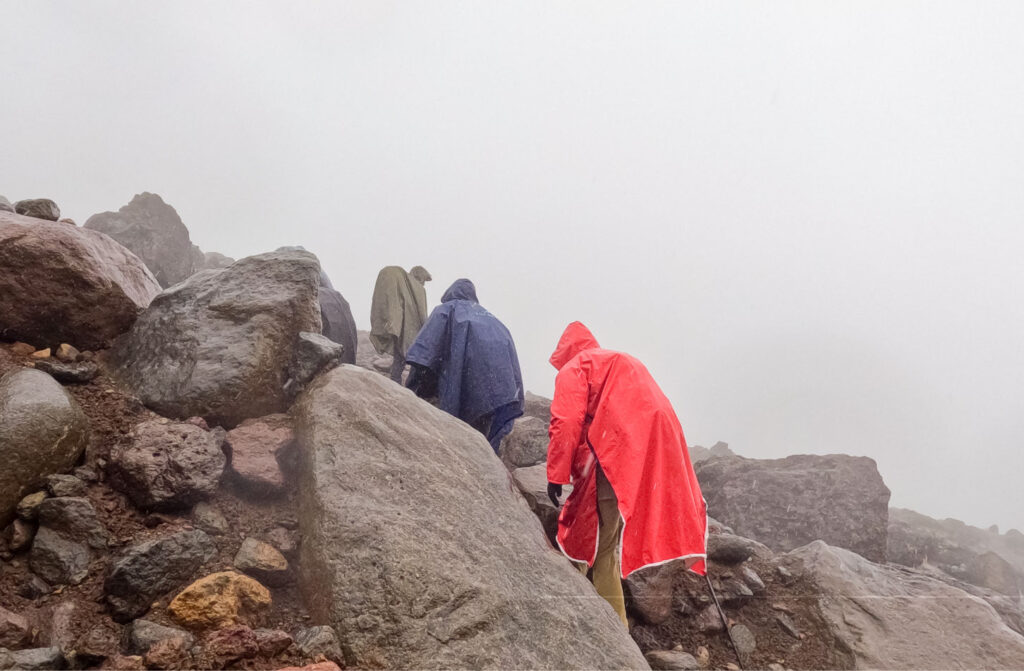
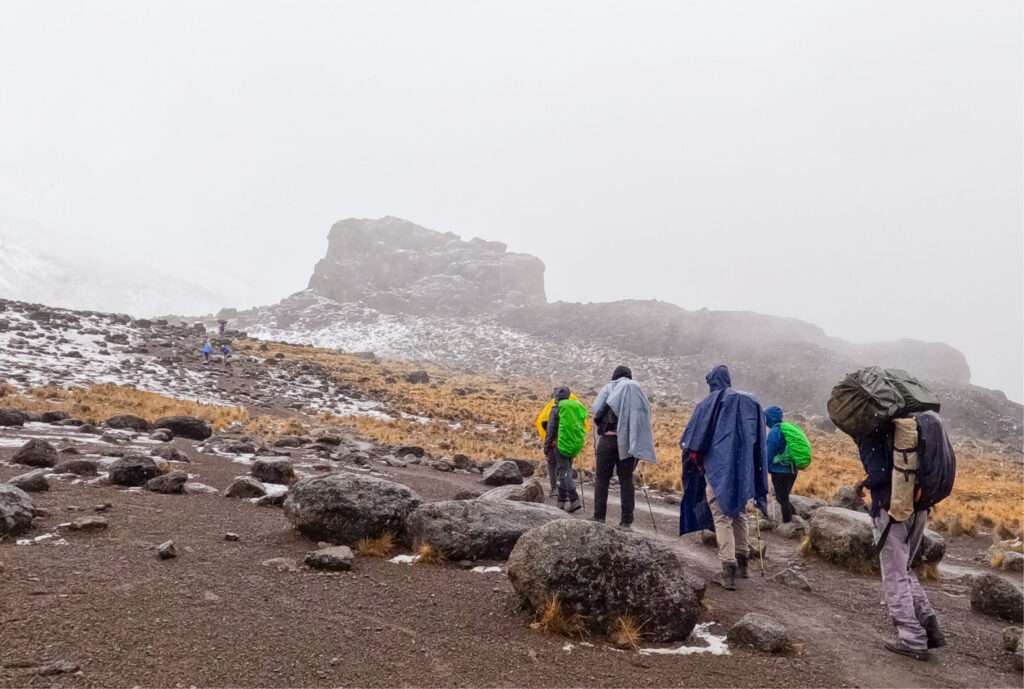
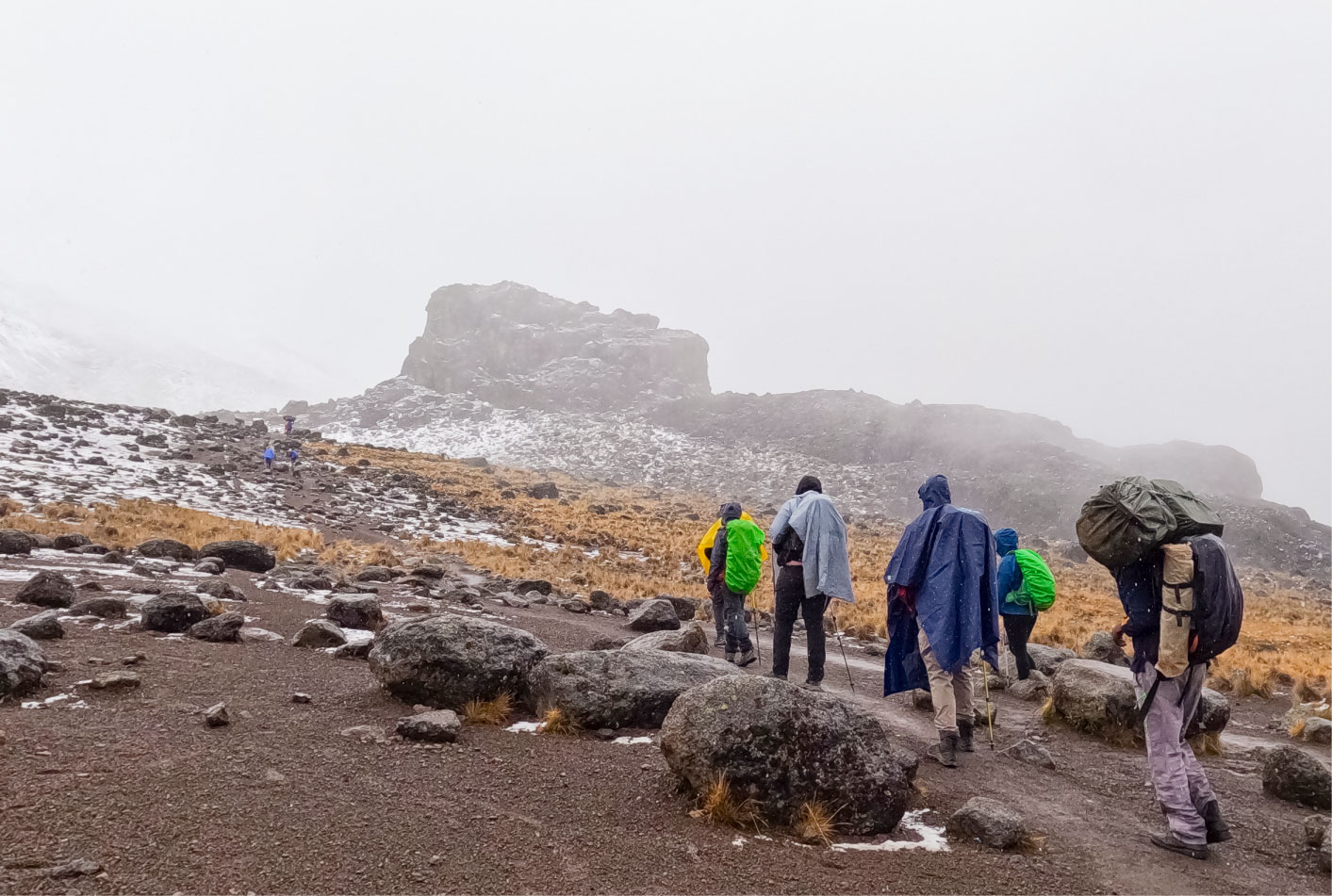
  • Weather can play a huge role in your summit success. Clear skies, mild temperatures, and dry conditions contribute to a higher likelihood of reaching the summit. The rainy seasons (April-May and November-December) can make the trek much more difficult and dangerous.

Trekking Experience

  • Previous trekking experience at high altitudes can improve your chances of success. Though Mount Kilimanjaro is accessible to most people with good fitness levels, prior knowledge of mountain trekking, high-altitude trekking, or hiking in cold conditions can make the journey more manageable.


Average Summit Success Rate

The overall summit success rate for Mount Kilimanjaro trekkers is typically around 65-75%. This means that more than two-thirds of people attempting the trek reach the summit, but it’s important to remember that this rate can vary significantly depending on the factors mentioned above.

  • Route Variability: Routes with longer, slower ascents, such as Lemosho and Northern Circuit, see higher success rates (around 85%+) because they allow for better acclimatization.

  • Faster Routes: Shorter routes like Marangu and Rongai may have lower success rates (around 50-65%) due to their faster ascent profiles.


How to Improve Your Summit Success Rate

At Mwamba Expeditions, we prioritize your safety and success. Here are some tips to improve your chances of summiting Mount Kilimanjaro:

Choose a Route with Proper Acclimatization

  • Opt for routes that allow for slower ascents, such as Lemosho, Machame, or Northern Circuit. These routes provide better acclimatization opportunities, which is crucial for avoiding altitude sickness.

Stay Hydrated and Well-Nourished

  • Drink plenty of water to stay hydrated and eat nutritious meals throughout your trek. Proper hydration helps your body adjust to high altitudes more effectively.

Listen to Your Body

  • If you experience symptoms of altitude sickness (headache, dizziness, nausea), inform your guide immediately. Don’t push yourself beyond your limits—summiting is not worth risking your health.

Prepare Physically

  • Engage in cardiovascular exercises, such as hiking, running, or cycling, leading up to your trek. Strengthening your legs, core, and upper body will also improve your stamina for the long days on the trail.

Take it Slow

  • Kilimanjaro is not a race. Take time to adjust to the altitude, rest when needed, and enjoy the journey. It’s a marathon, not a sprint.

Experienced Guides and Support Team

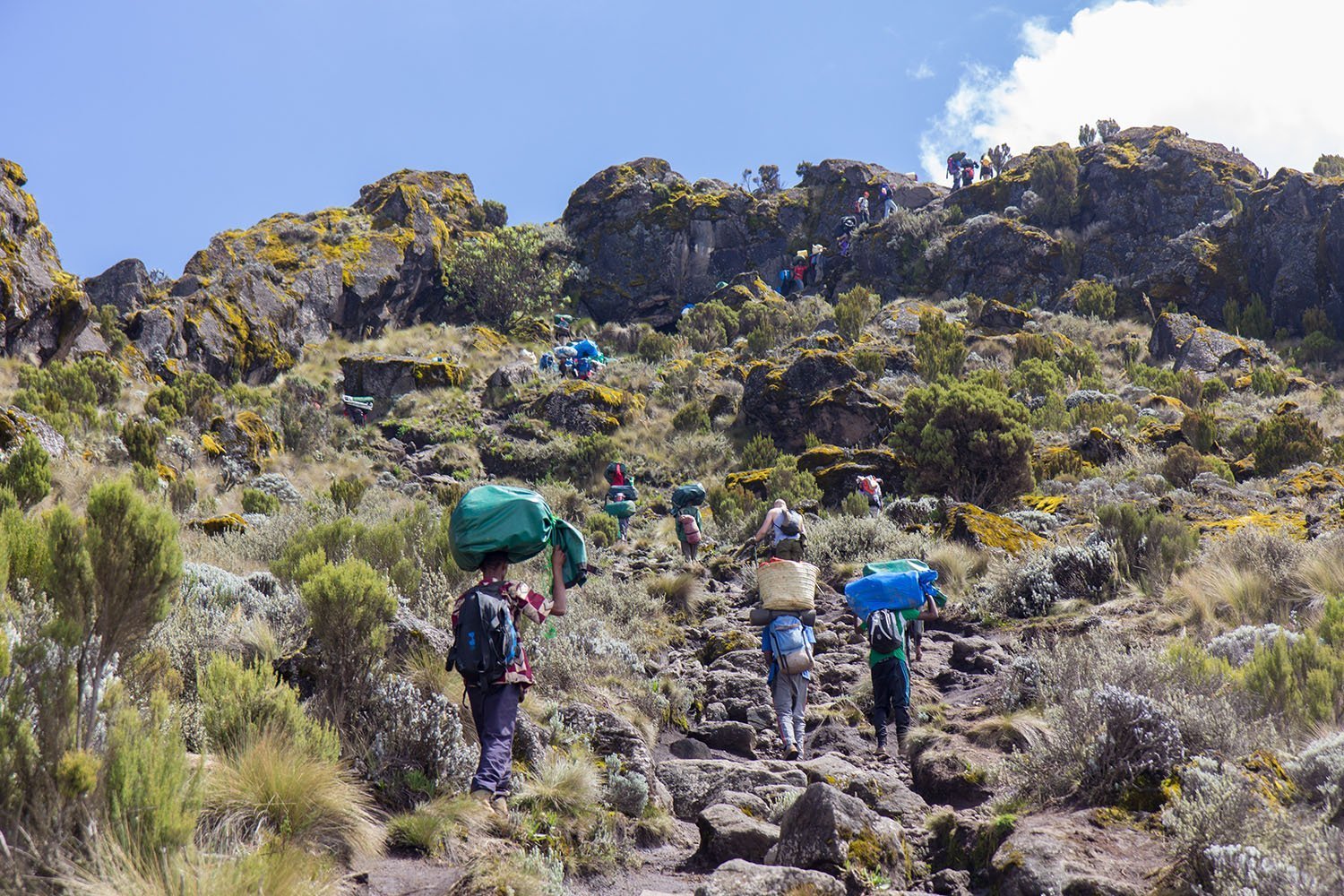
  • Trekking with experienced guides and a strong support team is critical. Guides are trained to recognize signs of altitude sickness and other health risks, ensuring a safe and successful climb. Choose a reputable operator, like Mwamba Expeditions, to increase your chances of success.


The Importance of Mental Strength

While physical preparation is key, mental strength plays a significant role in your success on Kilimanjaro. The summit day can be mentally challenging, with long hours of trekking in freezing temperatures and high altitudes. Positive thinking, determination, and focusing on your goal can push you through tough moments.

Trekking Itineraries

Our Customer's Reviews ✰ ✰ ✰ ✰ ✰